Begin with the contradiction
The name joins two ideas that pull in different directions. Folk carries memory, shared songs and traditions larger than one performer. Indie suggests independence, personal choices and the freedom to work outside a fixed centre. Indie folk lives in the conversation between them.
That is why the genre is easier to recognise as a set of instincts than as a checklist. An acoustic guitar may be present, but it is not a passport. A soft voice may suit the song, but softness alone says very little.
Listen for a point of view
Folk Alliance International defines folk broadly and centres the way people carry stories through time. In indie folk, that storytelling can be narrative, fragmentary or almost wordless. What matters is the sense that the music looks at the world from somewhere specific.
A convincing song might notice the light in a kitchen, the name of a road or the silence after a difficult sentence. Small detail often does more work than a large declaration.
Texture matters more than a purity test
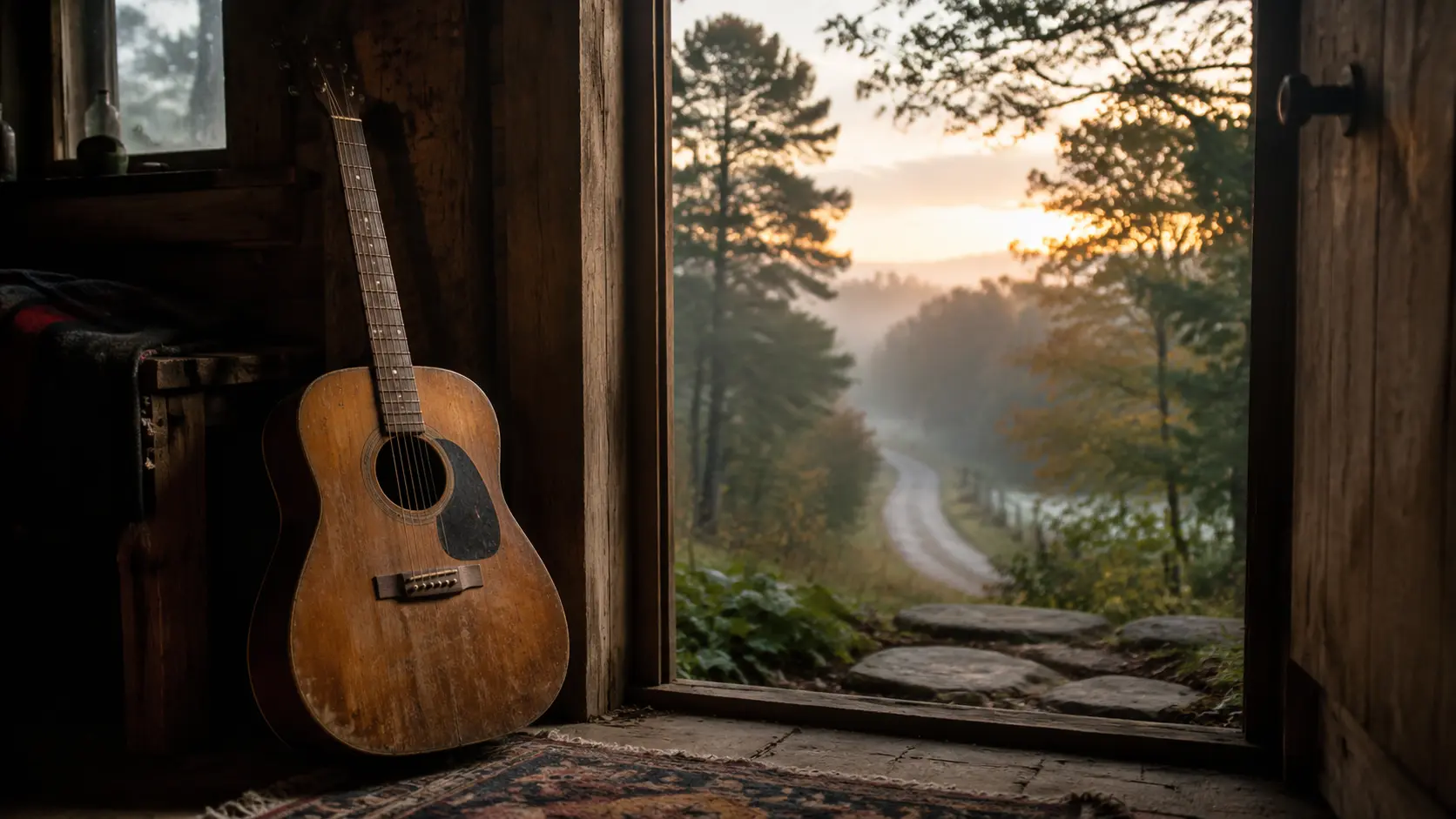
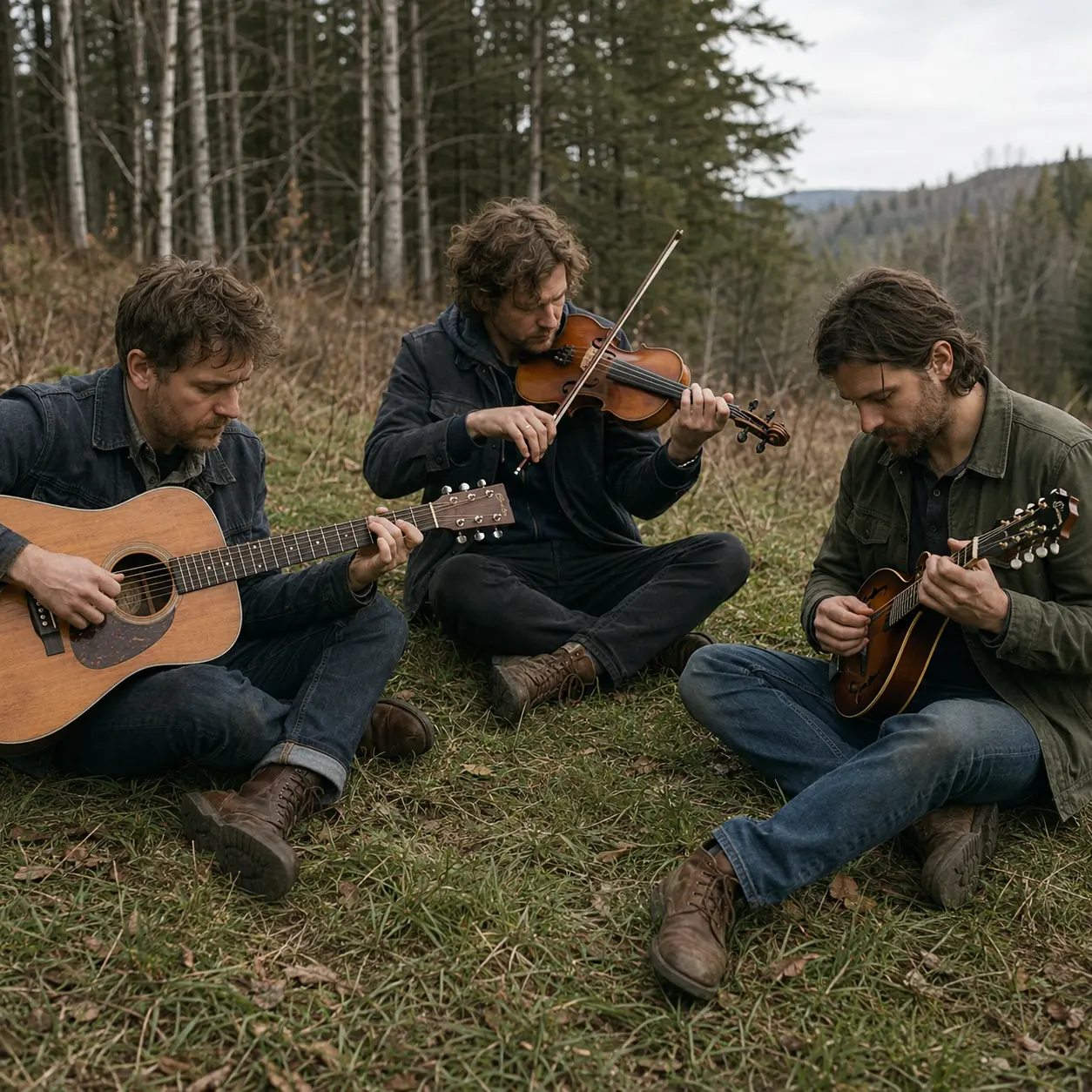
Wood, string, breath and room sound are common colours, but modern folk does not stop where electronics begin. A synthesizer can widen a landscape; distortion can make a private thought unstable; a drum machine can sit beside a fiddle without cancelling its history.
The useful question is not whether every sound is traditional. It is whether the production protects the song’s human scale.
Space is part of the arrangement
Many strong indie-folk recordings know when not to add another layer. A pause before the chorus, the scrape of a finger on a string or one voice left alone can carry more weight than a crowded arrangement.
This is also why the music works across different listening situations. Some songs ask for full attention. Others can sit beside a morning, a journey or a page without becoming anonymous background.
Use the label as a door, not a fence
Indie folk overlaps with singer-songwriter music, Americana, contemporary folk, chamber folk, ambient folk and regional traditions. Those overlaps are not a problem to solve. They are where many of the most interesting records live.
A genre name should help you begin listening. It should not tell you when to stop.