The long listen begins after the first track
A long mix does not require forty-eight perfect minutes of concentration. It asks for enough time for a first impression to become a pattern: a guitar sound returns, the pace shifts, a voice gives way to an instrumental passage, and one song changes the meaning of the next.
That kind of attention is only one way to enjoy music, not a test of seriousness. IFPI’s 2023 listening study covered more than 43,000 people in 26 countries and found that listeners used more than seven different methods of engaging with music on average. A full mix belongs among those choices: useful when you want continuity rather than another quick decision after every song.
Choose a window, not a productivity label
Listening sessions are often packaged as music for work, study, travel or sleep. Those labels can be helpful, but they do not have to decide how you listen. Choose a stretch of time instead: one walk, one train ride, a quiet kitchen after dinner or the first half of a slow morning.
The important distinction is whether you want the music in the foreground or the background. Both are valid. If it begins in the background, notice the moment a lyric, change of rhythm or instrumental colour pulls you closer. That involuntary turn of attention is often the most honest review a track receives.
Follow the joins between songs
A well-shaped mix is more than a line of individually good tracks. Listen to the handover: does the next song preserve the tempo, clear the air with silence or introduce a brighter instrument? Does the sequence move from open-road energy toward a smaller, more private room? The join can reveal why two songs belong together even when their voices differ.
Try resisting the skip button for the first three transitions. You may discover that the track you would not have selected on its own makes sense as a bridge. Long-form listening gives quieter songs a chance to work through position and contrast rather than immediate impact.
Give one thread your attention
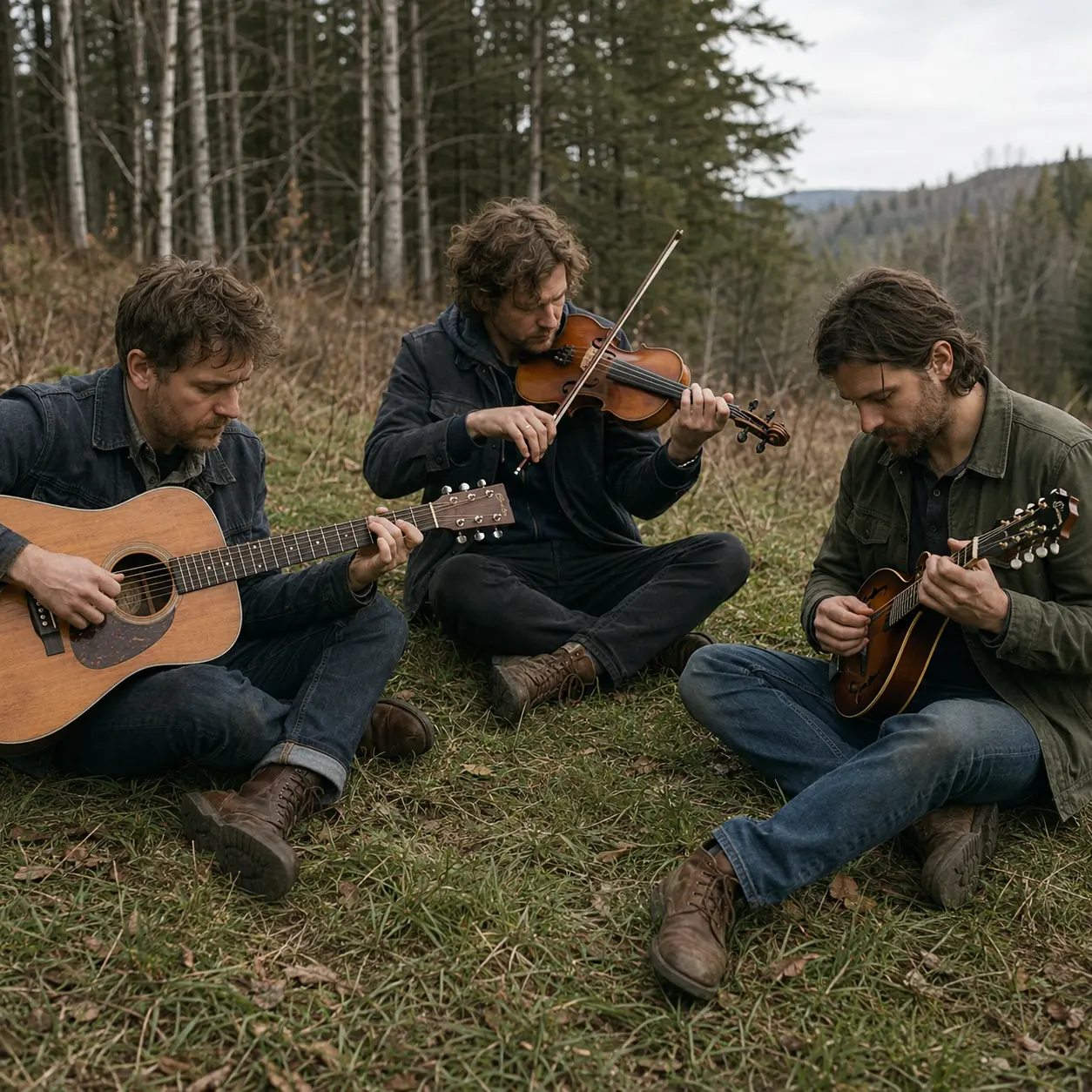
You do not need to analyse everything at once. Pick one thread for ten minutes: the pulse of the acoustic guitar, the distance of the vocal, the way a violin enters after a line, or the amount of room around the instruments. When that thread disappears, ask what replaced it and how the emotional temperature changed.
The companion guide to indie-folk arrangements goes deeper into guitar, voice, space and dynamics. Here the simpler point is enough: sustained attention to one element makes the whole mix feel less like a flat stream and more like a sequence of decisions.
Use chapters as a map, not a remote control
YouTube chapters divide a video into named sections and let listeners return to a particular point. The platform’s official guidance requires the first timestamp to begin at 00:00, at least three timestamps in ascending order and chapters of at least ten seconds. For a music mix, that structure is most useful as a map: it identifies the song that stayed with you and makes a later return easy.
On a first listen, let several chapters pass without choosing between them. On the second, use the list deliberately. Returning to one track because you remember its place is different from searching for a few seconds and leaving; it turns the chapter list into a small personal index of the session.
Set the volume for the room
Louder is not the same as closer. Spotify explains that its volume normalisation balances softer and louder material, while its Loud setting reduces dynamics more than the Normal or Quiet settings. If a delicate acoustic passage feels flattened, check the playback setting before deciding that the recording has no contrast.
Comfort matters more than detail. The World Health Organization advises keeping personal devices below 60 percent of maximum volume, aiming for an average below 80 dB and taking breaks from continuous listening. Well-fitted or noise-cancelling headphones can make it easier to hear clearly without turning the level up to compete with the room.
A simple 45-minute listening practice
For the first five minutes, settle into the sound without judging it. From minute five to twenty, avoid skipping and listen to the transitions. During the next fifteen minutes, follow one thread—the guitar pulse, a voice or the room around the instruments. In the final ten minutes, note one song or moment you want to revisit and use the chapter list to find it.
Nothing needs to be scored, posted or completed. The aim is simply to finish with one clearer memory than you started with. If an artist holds your attention, follow the official profile or save the music because you genuinely want to return, not because a listening routine told you to manufacture activity.
Try the method with Indie Folk Radio
Late Summer Indie Folk Mix runs for roughly 48 minutes, long enough for the sequence to develop but short enough for one uninterrupted listening window. Start there, or use the site’s listening guide to choose another route through Deanarrow90, Lararrow, The Eraths and Deanarrow90 Instrumentals.
AI is part of this project’s music-production process. The listening exercise is about hearing the result honestly: what remains with you, what passes by and what deserves another listen. There is no correct response, only a more attentive one.